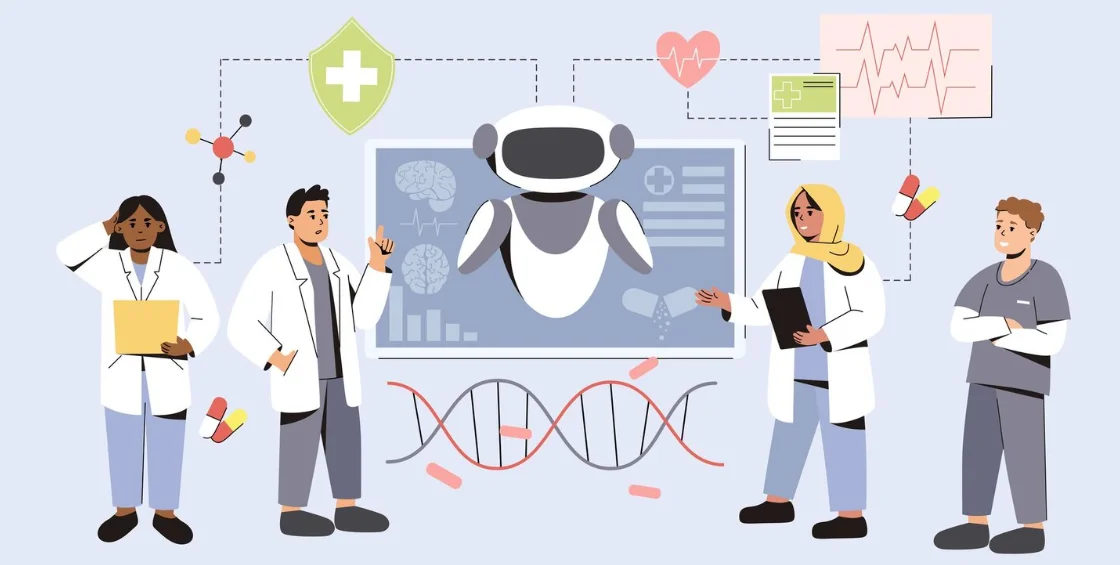
The world of health care is being dramatically reshaped by digital innovation, and perhaps its most potent agent of change is Generative AI. Generative AI (GenAI) is reshaping healthcare organizations’ patient interactions at a rapid pace — bringing more personalized, accessible, and responsive care outside of the four walls of care. Following is a full rundown of the most important ways GenAI is changing patient engagement and support, complete with benefits and considerations.
Enhancing Patient Communication Through Intelligent Interaction
Among Generative AI’s most transformative disruptions is how it enables healthcare organizations to communicate with patients. AI-driven conversational platforms that can interact with patients in natural, human-like conversations, answering questions, remind them of appointments, and educate them on health. They operate 24/7 to make sure patients get standard help whenever they need it.
In fact, the healthcare applications of Generative AI make even these communication tools context-aware, tone-aware, and intent-aware, enabling them to have conversations that “feel” personalized rather than automated. Patients get explanations of medical procedures, test results, or treatment plans in words they understand. This provides clarity and reduces stress, while also allowing individuals to actively participate in their own healthcare journey. Patients are more engaged, informed, and confident in their ability to manage their health, he said.
Personalizing Patient Education and Health Awareness
Patient education is a key factor for quality healthcare, and the way in which this education is delivered is being transformed by Generative AI. Rather than generic content, the platform can create personalized educational materials informed by a patient’s medical history, preferences, and learning style. This individualized strategy allows patients to have a better understanding of what they have and what they can do about it.
With applications of Generative Ai in healthcare, educational material can evolve in real time along with a patient’s condition . For instance, information for those who are newly diagnosed will be different to those who are living with a chronic condition to whom you’re providing expert advice or lifestyle suggestions. This degree of tailoring leads to more meaningful interactions that improve patient compliance with treatment plans and ultimately their wellness by making health information more relevant and easier to understand.
Strengthening Emotional Support and Patient Confidence
Outside of medical treatment, emotional support is crucial to patient wellness. Generative AI systems are also becoming adept at creating compassionate experiences that make patients feel heard and comforted. By processing patterns in language and feelings, AI technologies can answer with empathy and comfort, particularly when users are dealing with stress or doubt.
Use applications of Generative Ai in healthcare also include mental and emotional wellness support, giving patients a non-judgmental place to air worries and receive a boost. These instruments don’t replace human caregivers, but rather augment them by providing uninterrupted support in the intervals between visits. Patients who believe they are receiving emotional support from their caregivers are more likely to stay involved in their care, talk openly with their providers, and hold a positive perspective on their treatment path.
Improving Accessibility and Inclusivity in Healthcare Services
Generative AI is also reshaping patient engagement by driving inclusivity and accessibility in healthcare. Language barriers, geography, and physical limitations have all long stood in the way for countless people to accessing their best care. AI-based solutions can produce multilingual content and provide precise translation of medical content, even modifying the language to suit the specific requirements of patients.
The use cases of Generative AI in healthcare enable to close those gaps by providing uniformly high quality assistance no matter the place or the person. People living in rural areas can now obtain trustworthy advice and information at once and those who are differently-abled can make use of communication means that are easier for them to use. This type of inclusive patient engagement opens up the possibility for much broader participation in healthcare, building trust and equity within the system.
Conclusion
Generative AI is having a wide-reaching and positive impact on patient engagement and support. Improving communication, personalizing education, emocional support accessibility, and continuity of care are some of the features that have contributed to making patients the focal point in healthcare with these tools. The demonstration of Generative AI applications in healthcare further exemplifies how innovation can humanize care rather than distance it, resulting in interactions that are more meaningful, responsive, and empowering.
As healthcare systems adapt, Generative AI will continue to be instrumental in driving patient-centred transformation. Its adapt, learn, and connect nature means patients are today getting better information and increasingly better support along their healthcare journeys. The future of patient engagement is smart, open, and highly personalized— and Generative AI is turning that future into a present.